

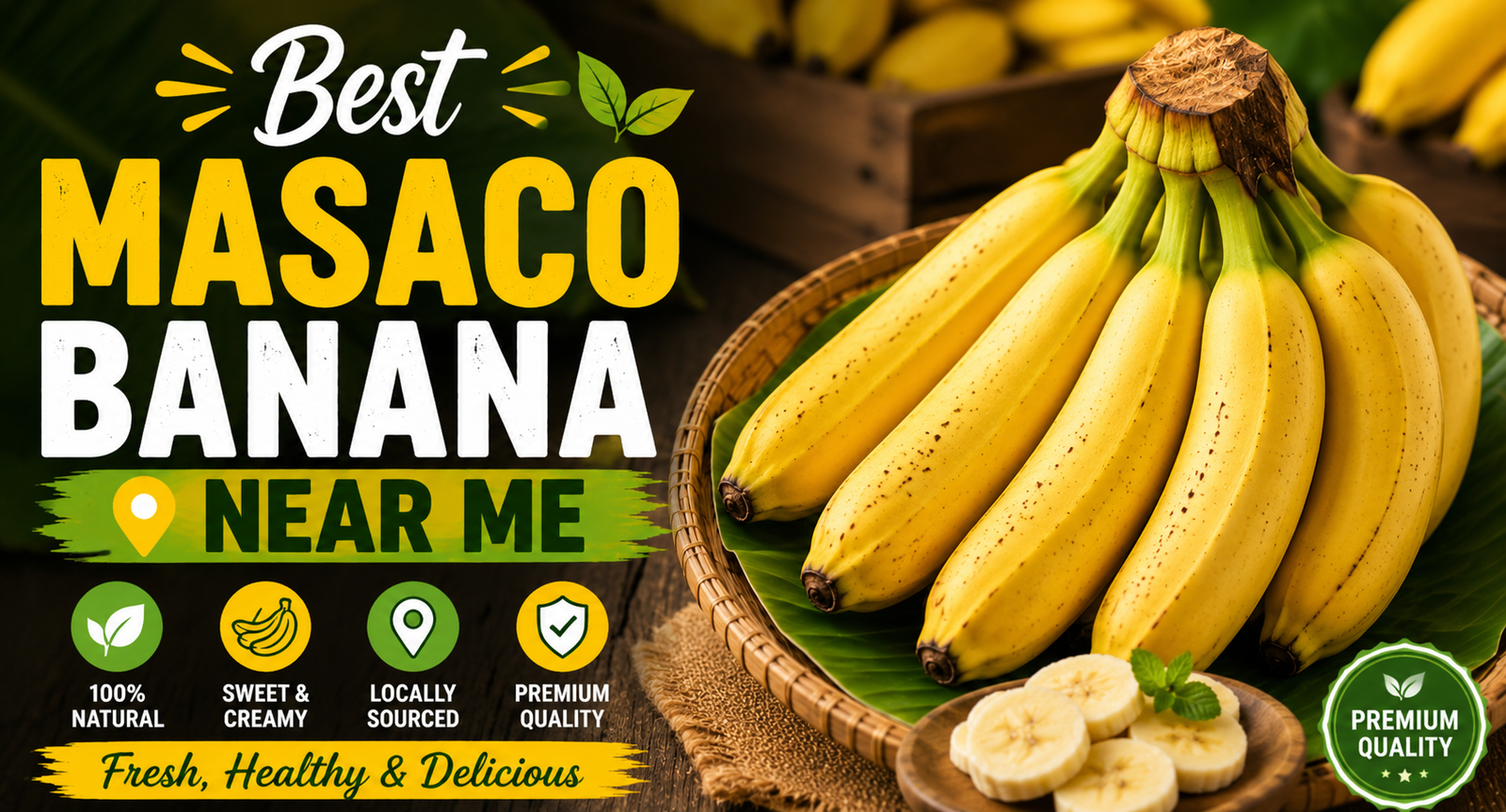


Some dishes take over the internet overnight. Others quietly build a following among people who already know what they are missing, and masaco banana falls firmly into the second group. It is not flashy, it does not need a filter to look appealing, and it does not rely on trends to stay relevant. It simply tastes good, and once someone tries a properly made plate, they tend to start searching for the best masaco banana near me every time they travel to a new city.
This article takes a slightly different approach than a typical recipe breakdown. Instead of just explaining the dish, it focuses on the experience of tracking it down, understanding regional differences, and knowing how to spot a version worth returning to. If you are already familiar with masaco but still hunting for a reliable spot, this should help sharpen your search.
Why People Keep Searching for the Best Masaco Banana Near Me
Part of the appeal of masaco banana is that it is genuinely hard to replicate carelessly. Unlike dishes that can be mass-produced without losing much quality, masaco depends heavily on technique, fresh ingredients, and a bit of patience. That means the difference between an average plate and a memorable one is often quite noticeable, which keeps people motivated to keep looking rather than settling for the first option they find.
There is also a sense of discovery involved. Because masaco is not as widely known outside Bolivian communities, finding a great version can feel like stumbling onto a local secret rather than following a crowd. That feeling is a big part of why the phrase best masaco banana near me shows up so often in food forums, community groups, and casual conversations among travelers.
A Dish Shaped by Geography
To understand why masaco tastes the way it does, it helps to look at where it comes from. The dish is closely tied to the eastern lowlands of Bolivia, a region with a tropical climate that supports abundant banana and plantain farming. Unlike the colder highland areas of the country, where potatoes and grains dominate the diet, the lowlands lean heavily on tropical produce, and masaco is one of the clearest examples of that influence.
This geographic connection matters because it shapes expectations. A restaurant located far from any Bolivian community may technically list masaco on the menu, but without a real connection to the dish’s origins, the preparation can drift away from what makes it special. That is part of why so many people searching for the best masaco banana near me specifically look for Bolivian-owned restaurants rather than general Latin American establishments.
Regional Variations Worth Knowing
Not all masaco is identical, even within Bolivia itself. Some versions use ripe, sweet bananas, giving the dish a softer texture and a more pronounced sweetness. Others rely on green plantains, which produce a firmer, starchier result with a more neutral base flavor that leans more heavily on the added cheese or meat for taste.
Family recipes also vary in terms of ratios. Some households prefer a heavier cheese presence, making the dish creamier and more indulgent. Others favor a stronger meat component, whether that is crispy pork cracklings or shredded dried beef, which shifts the dish toward something heartier and more filling. Knowing these variations ahead of time makes it easier to describe what you are looking for when you’re trying to find a great plate nearby and want a specific style rather than whatever happens to be available.
How Preparation Affects the Final Result
The steps behind making masaco are simple to describe but require real attention to detail. The bananas or plantains are fried until golden, which develops flavor and helps concentrate their natural sugars. From there, the fruit is mashed, traditionally using a wooden mortar known as a tacu, until it reaches a soft, cohesive texture.
This hands-on mashing step matters more than it might seem. Blending the ingredients too quickly in a machine can overwork the mixture, turning it gummy instead of tender. A kitchen that takes the time to mash by hand, or at least mimic that gentler process, is far more likely to produce the kind of texture people associate with the best masaco banana near me, since rushed preparation is one of the most common reasons a plate falls flat.
What a Well-Made Plate Should Look Like
Visual cues can tell you a lot before you even take a bite. A properly prepared masaco should have a soft, slightly rustic appearance, usually pale yellow or cream-colored depending on the type of banana used. It should not look dry or cracked, and it should not appear runny or soupy either.
Texture-wise, you are looking for something that holds its shape when scooped but still feels tender rather than dense. If cheese is included, you should be able to see small flecks or a slight sheen from where it melted into the warm banana. If meat is part of the dish, it should be evenly distributed rather than sitting in a separate pile on top. These small details are often the easiest way to judge quality when you’re comparing a few different places while searching for the best masaco banana near me.
Talking to Restaurant Staff
One underrated strategy for finding a great version of this dish is simply asking questions when you visit a restaurant. Staff at family-run Bolivian establishments are often proud of their food and happy to explain how their masaco is prepared, especially if they sense real curiosity rather than a generic order.
Asking whether the bananas are fried before mashing, whether they use a traditional tacu, or which type of cheese or meat they include can tell you a lot before the dish even arrives. Restaurants that answer these questions with detail and confidence are usually the ones putting real effort into the dish, which makes them strong candidates the next time you’re in the mood for it.
The Role of Community Recommendations
Online reviews are useful, but personal recommendations from within Bolivian communities often carry even more weight. Because masaco is a dish rooted in home cooking and cultural tradition, people who grew up eating it tend to have a sharp sense of what tastes authentic and what does not.
Community groups, cultural associations, and even casual conversations at Bolivian cultural events can lead to recommendations that never show up in mainstream search results. If you have access to any of these community spaces, they are often the fastest way to skip past mediocre options and go straight to a place locals already trust when they think about the best masaco banana near me in their own city.
Common Mistakes Restaurants Make
A few recurring issues tend to separate mediocre masaco from a great plate. Using bananas that are not ripe enough is one of the most common problems, resulting in a dish that tastes bland or overly starchy instead of naturally sweet. Overcooking the fruit during frying can also lead to a burnt or bitter edge that throws off the entire balance.
Another frequent mistake is skimping on the cheese or meat, either to cut costs or speed up preparation. This often results in a plate that feels more like plain mashed banana than a fully developed dish. Recognizing these shortcuts can help you avoid disappointing meals and refine your search by steering clear of restaurants that seem to be cutting corners.
Pairing Masaco with Other Bolivian Dishes
If you find a restaurant that serves a great version of this dish, it is often worth exploring the rest of the menu as well. Masaco pairs naturally with other Bolivian staples, such as salteñas, which are baked pastries filled with meat, vegetables, and a flavorful broth-like filling. The contrast between the crisp pastry and the soft, creamy masaco makes for a satisfying combination.
Fresh fruit juices are another common pairing, helping to balance the richness of the cheese or meat with something lighter and more refreshing. Exploring these pairings not only rounds out the meal but also gives you a better sense of whether a restaurant understands Bolivian cuisine as a whole, which is a good indicator of whether they are likely to deliver real quality rather than a single well-made dish surrounded by weaker options.
Bringing the Search Online
Digital tools can speed up the process significantly if you know how to use them well. Beyond basic map searches, looking through photos posted by other diners can reveal a lot about texture and presentation before you ever visit in person. Comments that mention specific details, like banana ripeness or the balance between sweet and savory elements, are far more useful than vague praise.
Following local food accounts that focus on Latin American or specifically Bolivian cuisine can also surface hidden spots that do not always rank highly in general searches. Over time, building a small mental list of trusted sources makes the ongoing search for great masaco much easier, since you are relying on people who already share your standards for the dish.
When It Might Be Worth Making It Yourself
If your search keeps coming up short, cooking masaco at home is a realistic backup plan. It does not require specialized equipment beyond a sturdy mortar and pestle, and the ingredients are usually easy to find at any grocery store with a decent produce section. Ripe bananas, a mild cheese, and either pork cracklings or shredded meat are enough to get started.
While a homemade version may not perfectly replicate a restaurant’s recipe on the first attempt, it gives you full control over ripeness, seasoning, and texture. For many people, a few rounds of practice at home end up teaching them exactly what to look for once they resume their search for the best masaco banana near me, since they now understand the dish from the inside out.
Final Thoughts
Tracking down a truly great plate of masaco banana takes a bit more effort than ordering a familiar dish, but that effort tends to pay off. From understanding regional differences to knowing what questions to ask a restaurant, every small piece of knowledge makes the search more efficient and the eventual meal more rewarding.
Whether you rely on community recommendations, careful review reading, or your own kitchen experiments, the goal stays the same: finding a version of this dish that respects its roots and delivers real flavor. For anyone who has already fallen for masaco banana, the ongoing hunt for the best masaco banana near me is less of a chore and more of a small, satisfying tradition worth continuing.
Read more trending stories on Outdoor Chain.